Liver Health Insights
Expert articles, patient guides, and medical advancements in Liver Transplantation and HPB Surgery.

Life After a Liver Transplant: A Comprehensive Guide to Recovery
Understanding the crucial steps post-surgery. Learn about medication adherence, dietary restrictions, and how to safely return to your normal daily activities.
Life After a Liver Transplant: A Comprehensive Guide to Recovery
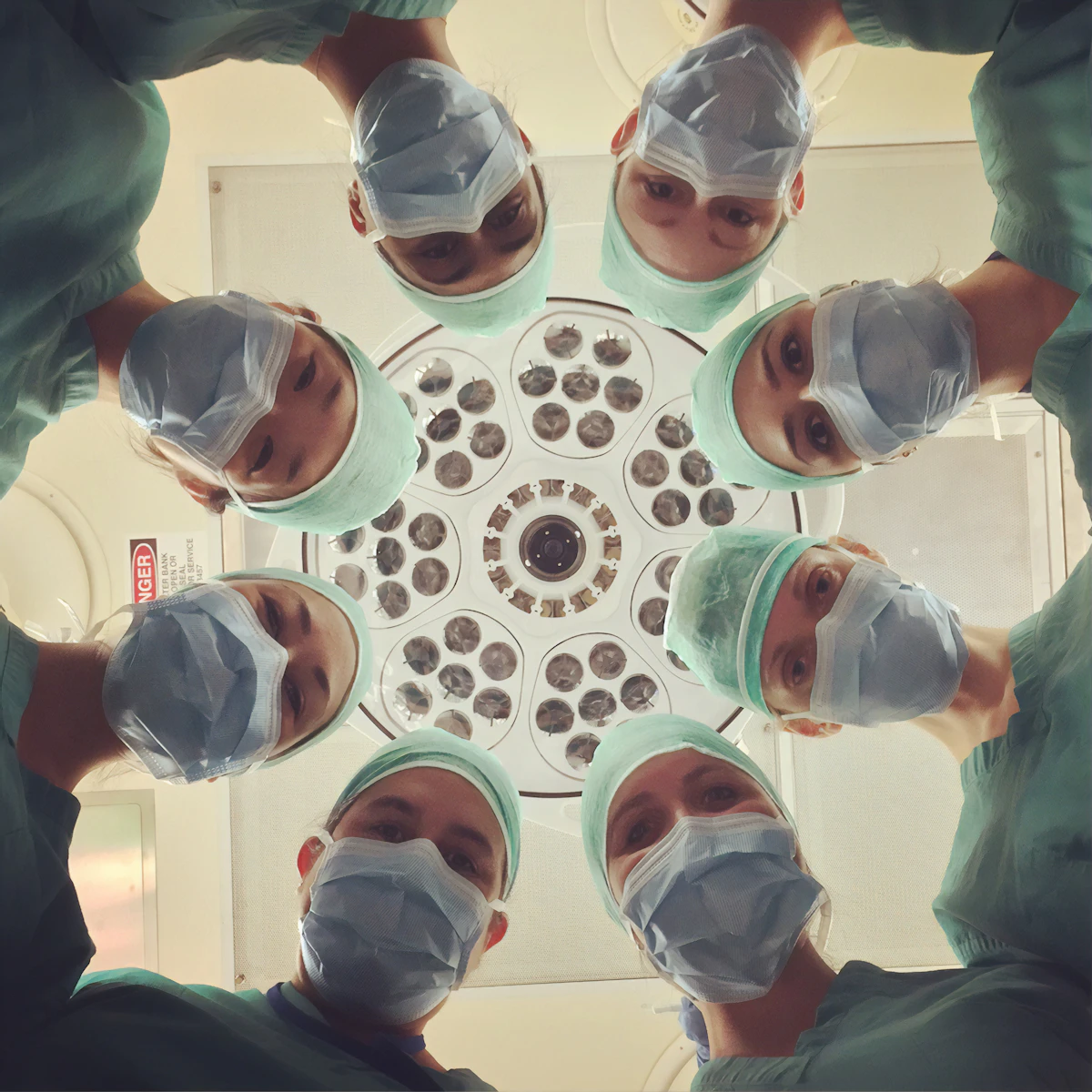
Undergoing a liver transplant is a life-saving procedure that marks the beginning of a new chapter. However, the surgery itself is just the first step. The true journey to reclaiming your health happens during the recovery phase.
The First 30 Days: What to Expect
Immediately following the transplant, you will spend time in the ICU before moving to a standard recovery room. During this time, our multidisciplinary team monitors your vital signs, liver function, and monitors for any signs of organ rejection.
- Immunosuppressants: These are critical anti-rejection medications. You will likely be on them for life. Strict adherence to timing and dosage is mandatory.
- Infection Prevention: Because your immune system is suppressed, avoiding large crowds, unwashed produce, and sick individuals is crucial during the first few months.
Diet and Nutrition
A new liver requires high-quality fuel to heal. A balanced diet low in sodium and refined sugars is recommended. Hydration is equally important. Your dietitian will create a customized plan, but generally, lean proteins, vegetables, and whole grains should make up the bulk of your meals.
Returning to Normalcy
Most patients can return to work and light physical activities within 3 to 6 months. It is entirely possible to lead a completely normal, active life post-transplant, provided you attend your regular follow-up appointments and maintain a healthy lifestyle.
Early Warning Signs of Fatty Liver Disease You Shouldn't Ignore
Non-alcoholic fatty liver disease (NAFLD) is rising globally. Discover the silent symptoms, diagnostic procedures, and lifestyle changes to reverse it.

Early Warning Signs of Fatty Liver Disease You Shouldn't Ignore
Fatty liver disease is often referred to as a "silent epidemic." In its early stages, it usually presents no symptoms, making routine health check-ups vital for early detection. However, knowing what to look out for can save your liver before irreversible damage occurs.
Recognizing the Subtle Signs
While often asymptomatic, as the liver becomes more inflamed (a condition known as NASH), you might experience:
- Persistent fatigue and a general feeling of sluggishness.
- A dull ache or discomfort in the upper right side of your abdomen.
- Unexplained weight loss or loss of appetite.
- In advanced stages, yellowing of the eyes and skin (jaundice).
Why Early Diagnosis Matters
If caught early, Non-alcoholic fatty liver disease (NAFLD) is largely reversible. Through targeted dietary interventions, regular exercise, and managing underlying conditions like diabetes and high cholesterol, the liver can regenerate and shed excess fat.
If you have a family history of metabolic syndromes, obesity, or are experiencing unexplained fatigue, do not wait. Schedule a comprehensive liver panel today.
Innovations in Minimally Invasive Pancreatic Tumor Resection
Advancements in laparoscopic and robotic surgeries are reducing recovery times and improving long-term outcomes for patients with complex pancreatic tumors.

Innovations in Minimally Invasive Pancreatic Tumor Resection
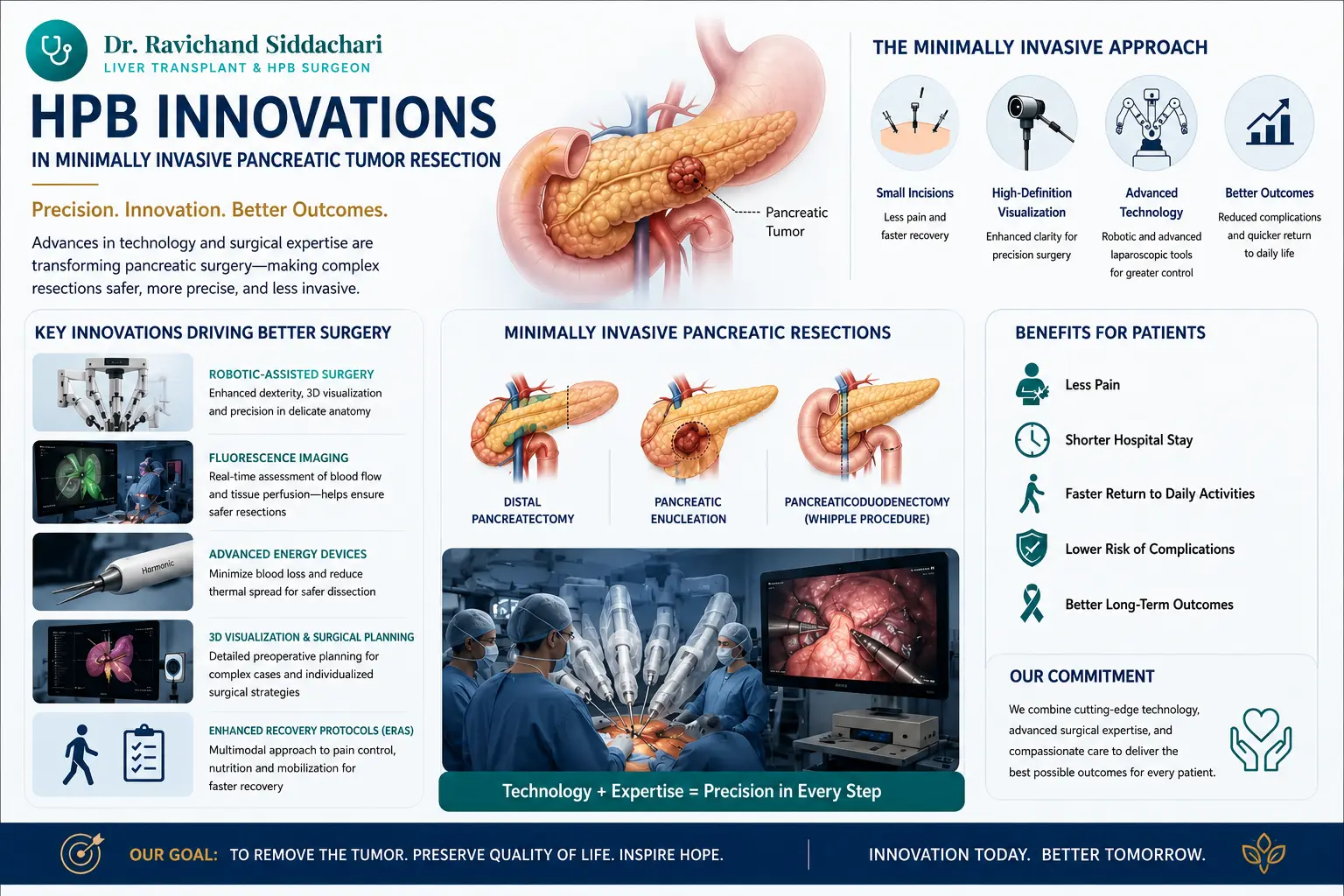
Pancreatic surgery has historically been one of the most demanding procedures in the surgical oncology field. The deep location of the pancreas and its proximity to major blood vessels makes traditional open surgery highly complex. However, modern surgical innovations are changing the landscape.
The Shift to Minimally Invasive Techniques
Today, thanks to advanced laparoscopy and robotic-assisted surgical systems, we are able to perform complex tumor resections—such as the Whipple procedure (pancreaticoduodenectomy) or distal pancreatectomies—through tiny incisions.
Key Benefits for Patients:
- Reduced Blood Loss: Enhanced 3D visualization allows surgeons to navigate around critical blood vessels with unmatched precision.
- Shorter Hospital Stays: Patients often go home days earlier compared to traditional open surgery.
- Faster Return to Therapy: Quicker surgical recovery means patients can begin necessary adjuvant treatments like chemotherapy much sooner.
While not every patient is a candidate for minimally invasive pancreatic surgery, evaluating these options with a specialized HPB surgeon is a critical first step in fighting pancreatic disease.
The Miracle of Living Donor Liver Transplantation
The liver is the only organ that can regenerate. Learn how a healthy person can donate a portion of their liver to save a loved one's life.

The Miracle of Living Donor Liver Transplantation
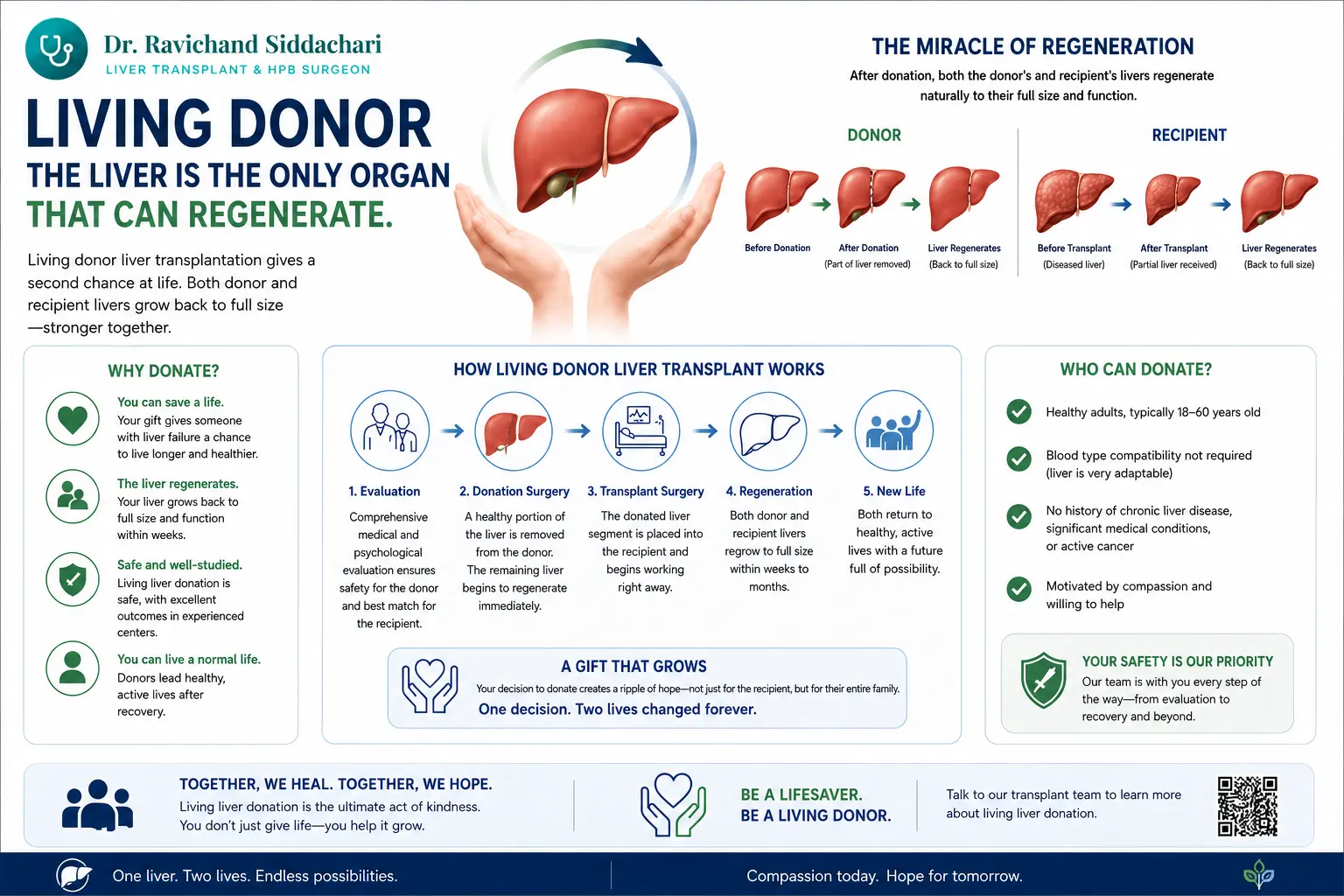
With the global shortage of deceased donor organs, Living Donor Liver Transplantation (LDLT) has emerged as a crucial, life-saving alternative for patients with end-stage liver disease or acute liver failure. This procedure is made possible by the liver's unique ability to regenerate.
How Does It Work?
During an LDLT, a healthy individual donates a portion of their liver (typically 40% to 60%) to the recipient. Astoundingly, both the donor's remaining liver and the transplanted portion in the recipient will grow back to full size and function within just a few weeks.
The Donor Evaluation Process
The safety of the living donor is our absolute highest priority. Potential donors undergo a rigorous, multi-day evaluation process, which includes:
- Extensive blood typing and tissue matching.
- High-resolution CT and MRI scans to map the liver's anatomy and blood vessels.
- Psychological and financial counseling to ensure the donor is fully prepared and making a coercion-free decision.
Donor Recovery
Living donors usually stay in the hospital for about 5 to 7 days post-surgery. Most can return to normal daily activities within 4 to 6 weeks. The profound psychological reward of saving a loved one's life often outweighs the physical recovery process.

Nutrition and Diet: Fueling a Healthy Liver
Your diet plays a massive role in hepatic health. Discover the top liver-friendly foods and what to avoid to prevent inflammation and disease.

Nutrition and Diet: Fueling a Healthy Liver
The liver acts as your body's primary filtration system. Everything you eat and drink passes through it. Therefore, the food choices you make have a direct impact on liver function, inflammation, and fat accumulation.
Foods That Protect the Liver
- Coffee: Studies consistently show that drinking coffee lowers the risk of cirrhosis and liver cancer, and reduces inflammation.
- Cruciferous Vegetables: Broccoli, Brussels sprouts, and mustard greens increase the liver's natural detoxification enzymes.
- Fatty Fish: Rich in Omega-3 fatty acids, fish like salmon and sardines help reduce liver fat levels and lower inflammation.
- Nuts: Particularly walnuts, which are high in antioxidants and have been linked to improved liver enzyme levels.
What to Avoid
To protect your liver, limit the intake of refined sugars (especially high-fructose corn syrup found in sodas), saturated fats, and processed meats. Most importantly, moderate your alcohol consumption, as excessive alcohol is a leading cause of toxic liver damage.
Maintaining a healthy weight through a balanced, Mediterranean-style diet is the single most effective way to prevent non-alcoholic fatty liver disease.
Understanding Gallbladder Cancer: Symptoms & Treatments
Though rare, gallbladder cancer is a serious condition. Learn about the diagnostic tools and surgical interventions used to treat it effectively.
Understanding Gallbladder Cancer: Symptoms & Treatments
Gallbladder cancer is a relatively rare form of cancer, but because of its hidden location deep inside the body, it often goes undetected until it has reached an advanced stage. Understanding the risks and treatment pathways is crucial for patient outcomes.
Signs and Symptoms
In the early stages, gallbladder cancer may mimic less serious conditions like gallstones. Symptoms to watch for include:
- Abdominal pain, particularly in the upper right portion of the belly.
- Jaundice (yellowing of the skin and whites of the eyes).
- Unexplained weight loss and persistent nausea.
- Lumps in the abdomen.
Treatment Pathways
Treatment heavily depends on the stage at which the cancer is diagnosed. A multidisciplinary approach is essential. The primary curative treatment is surgical removal (cholecystectomy), but if the cancer has spread, more extensive surgery may be required to remove part of the liver and surrounding lymph nodes (radical resection).
For advanced stages, surgery is often combined with chemotherapy or radiation therapy. As a specialized HPB surgeon, evaluating the extent of the tumor spread using high-resolution imaging is the first step in creating a personalized, aggressive treatment plan.